Field trip in Brazil – Searching for Agalinis and Esterhazya species, Part I
Published:
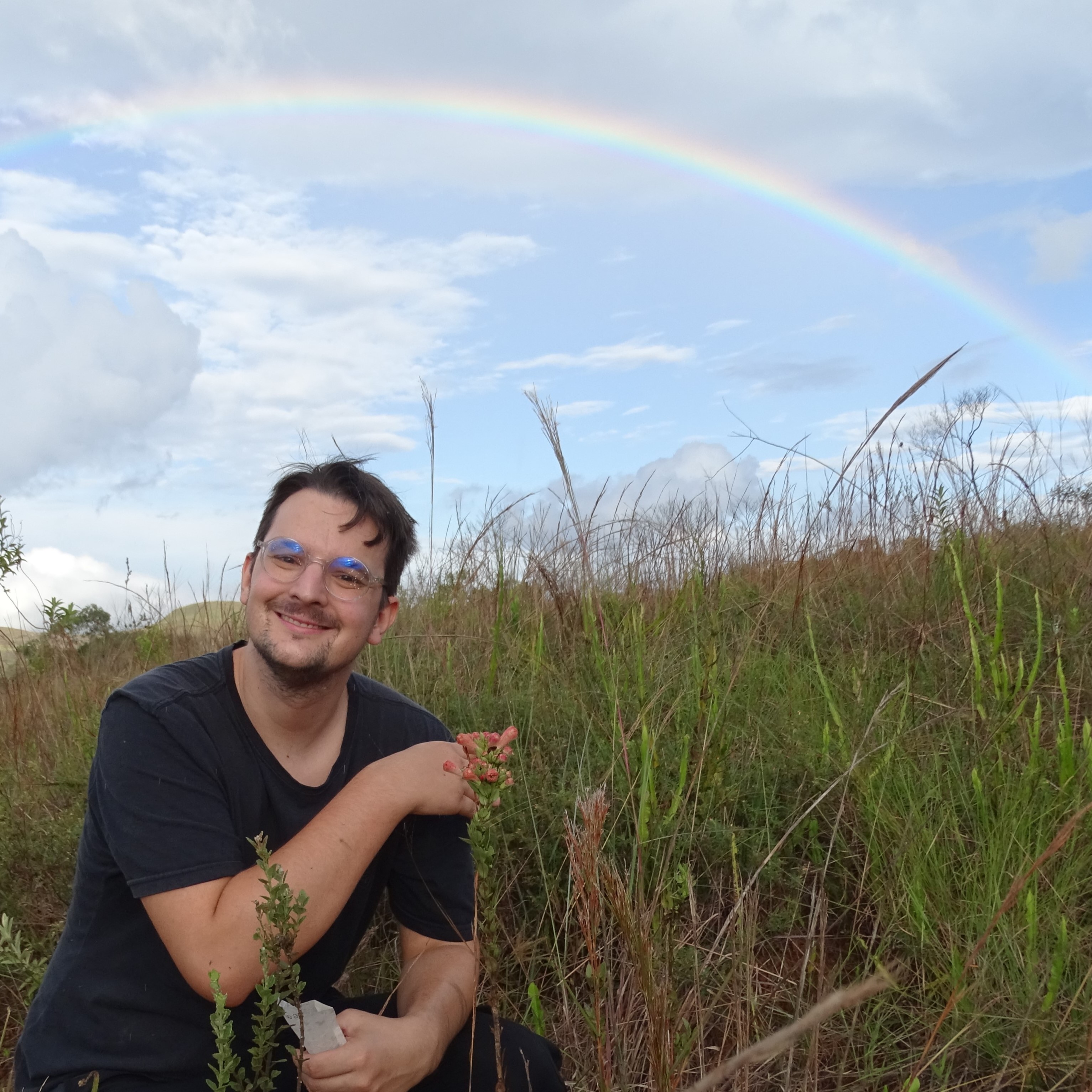
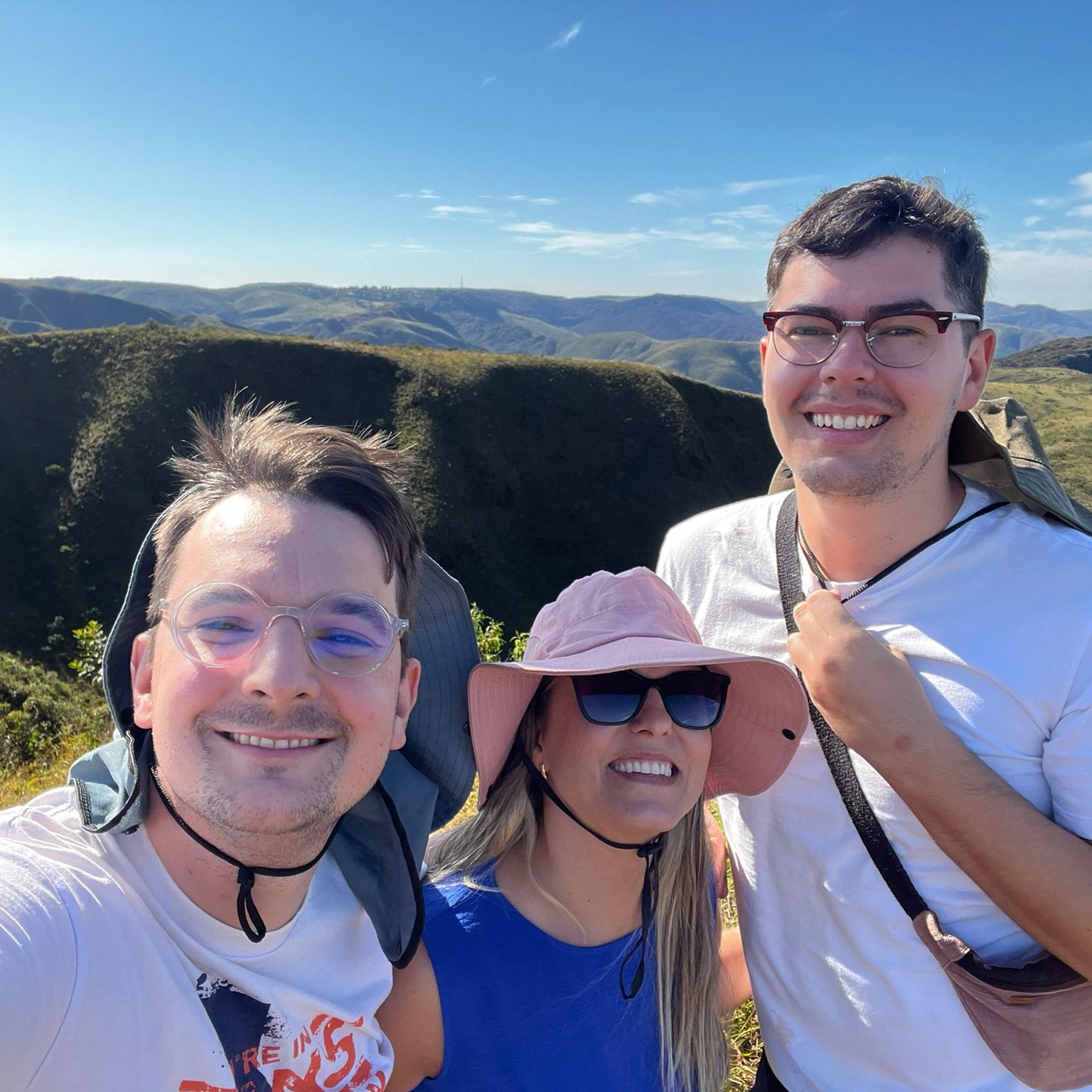
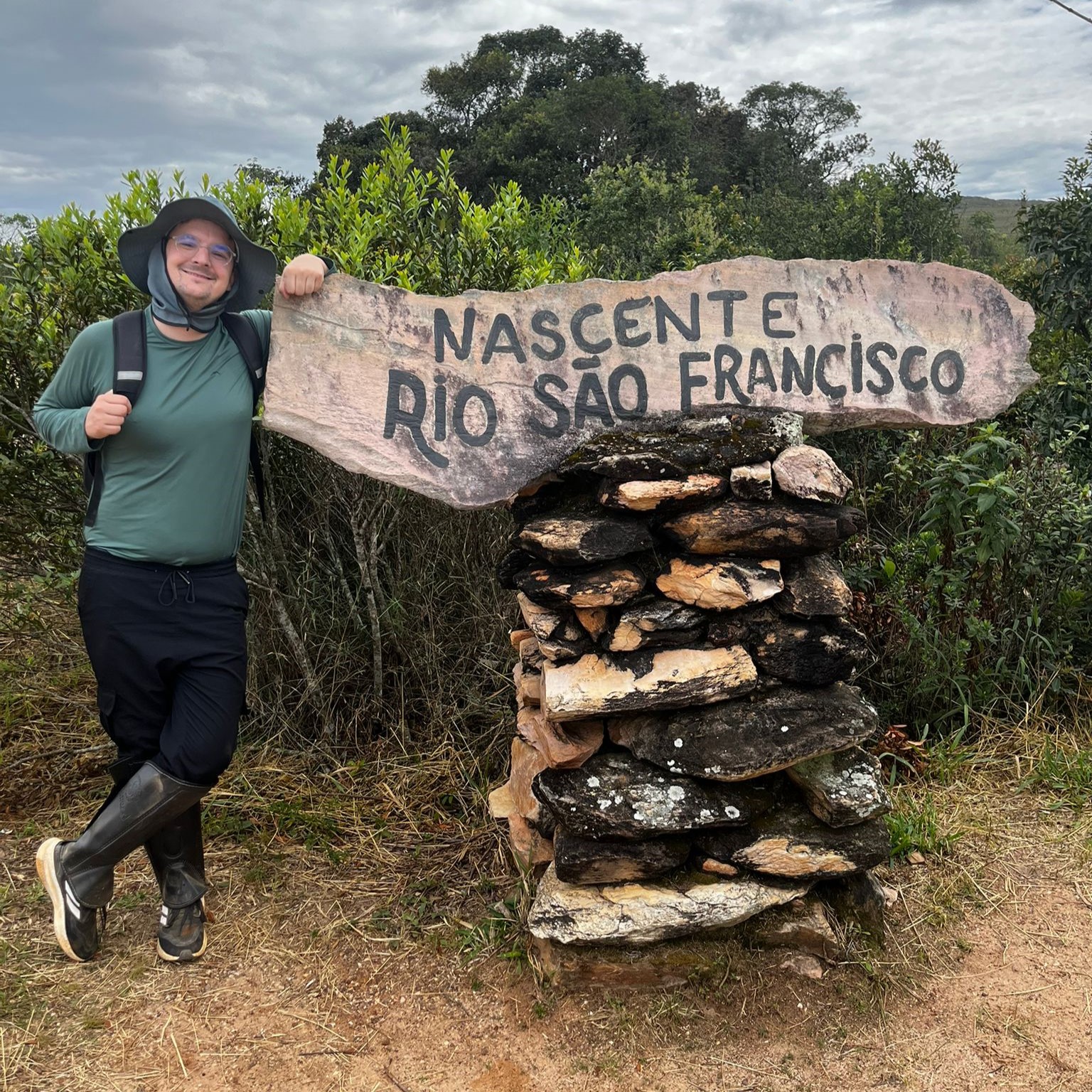
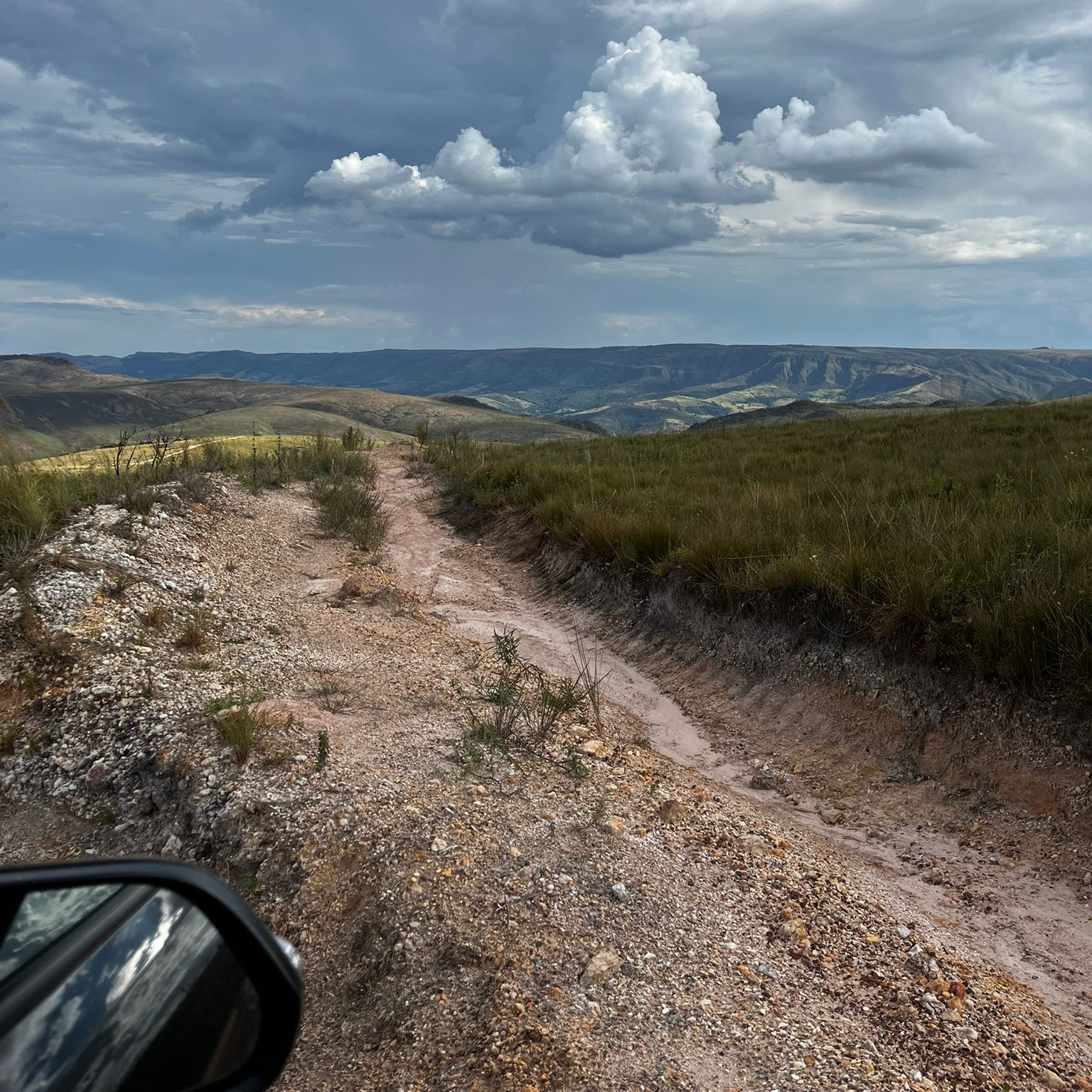
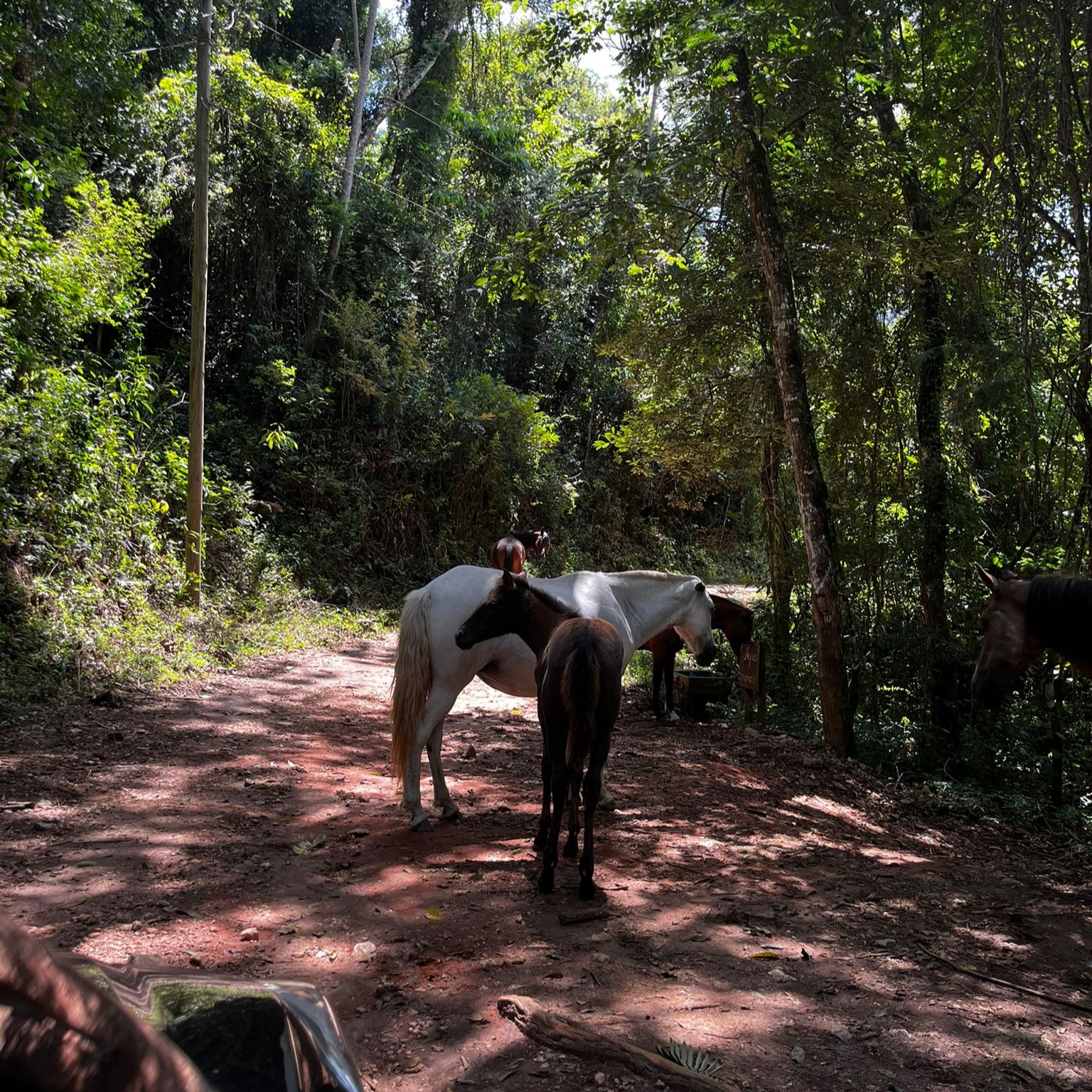
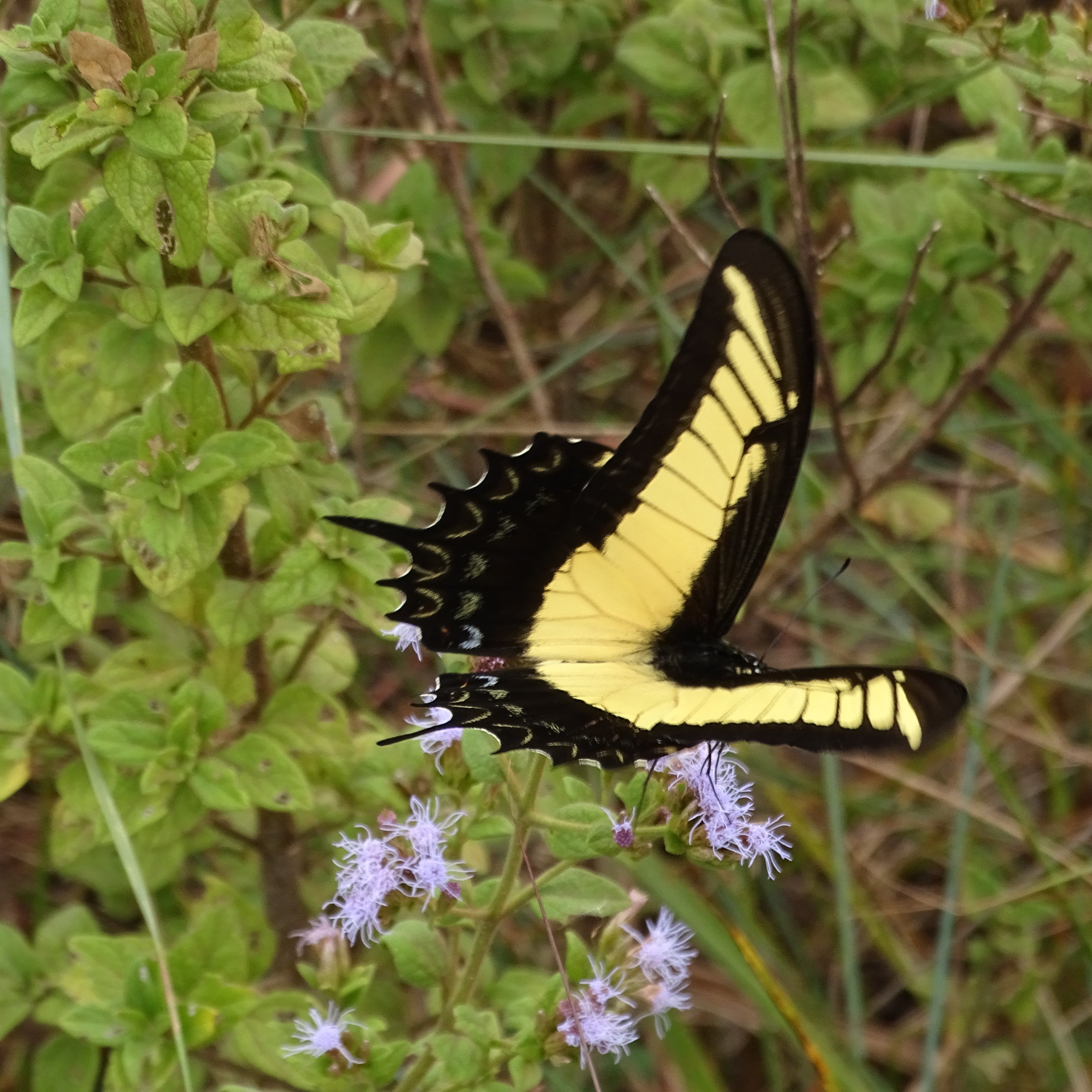
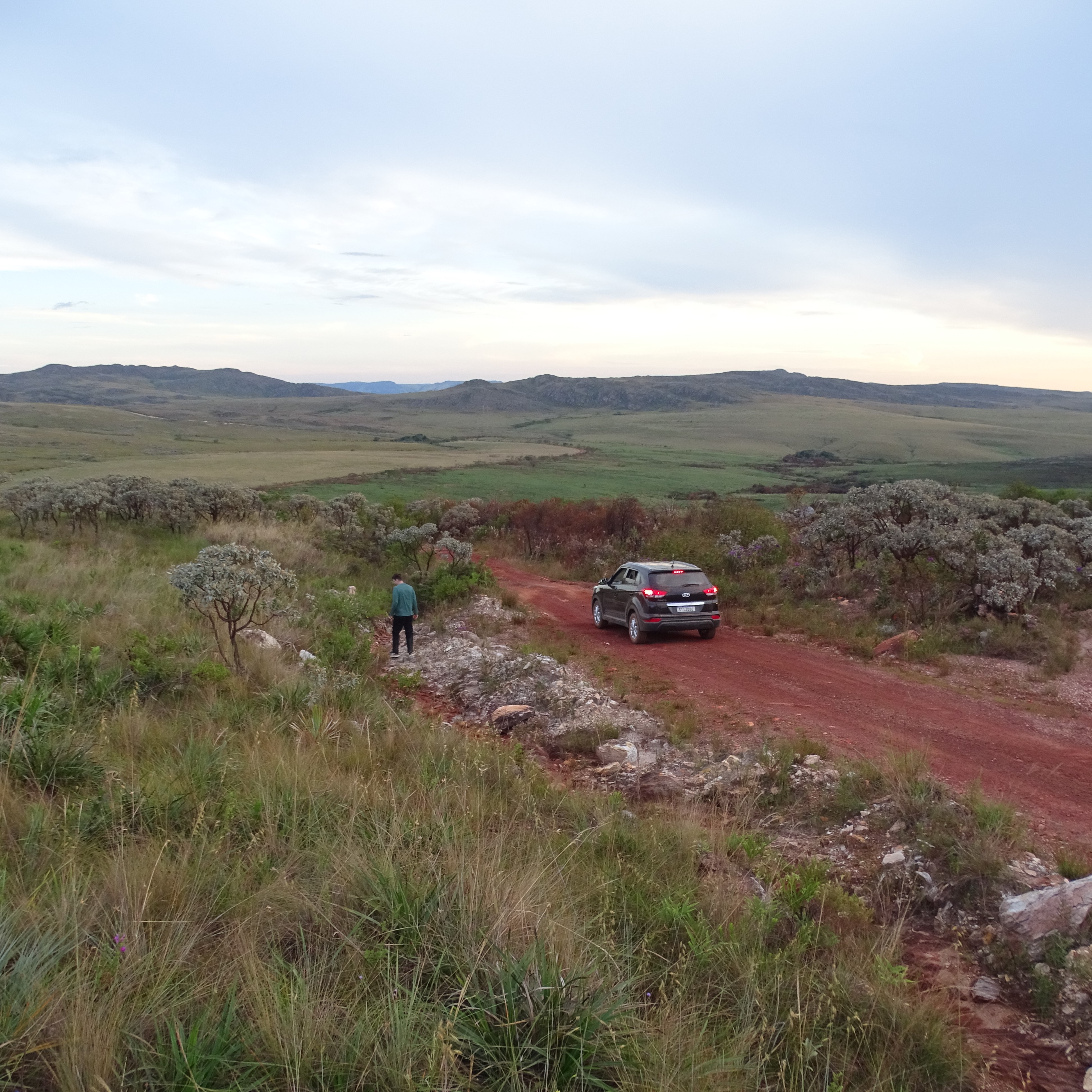
I had the opportunity to return to my home country to sample species from the group that is the focus of my postdoctoral research, Agalinis and Esterhazya. We began our fieldwork in Minas Gerais, a region considered a biodiversity hotspot for this group, especially because many species are endemic to the campos rupestres ecoregion. This ecoregion covers less than 1% of Brazil but is extremely biodiverse, consisting of isolated highland grasslands and rocky outcrops in eastern Brazil, where Agalinis and Esterhazya species particularly thrive. For the first part of the trip, Dr. Leonardo Gonçalves and Dr. Alice Backes were an amazing help. We started in Belo Horizonte and drove to Serra da Canastra National Park. After driving on some terrible dirt roads in a non-4x4 car, we found Esterhazya macrodonta and E. splendida. Along the way, we saw beautiful landscapes, waterfalls, sunsets, plants, and animals, and had amazing foog (seriously, if you have the chance, try it, food in Minas Gerais is considered one of the best in Brazil, viva a comida mineira!). Unfortunately, we did not find Agalinis nana, which is endemic to Serra da Canastra National Park and has not been collected in over twenty years.
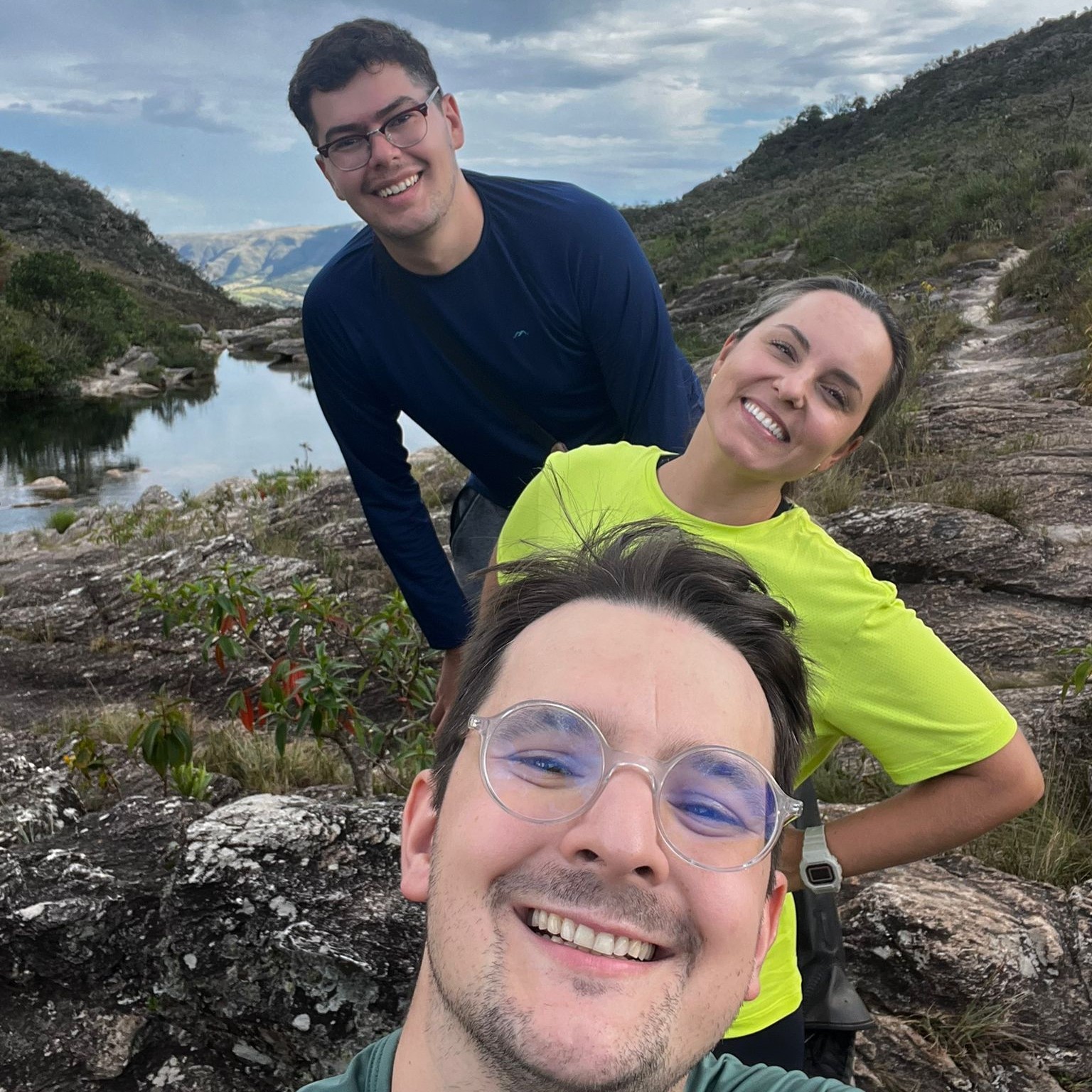



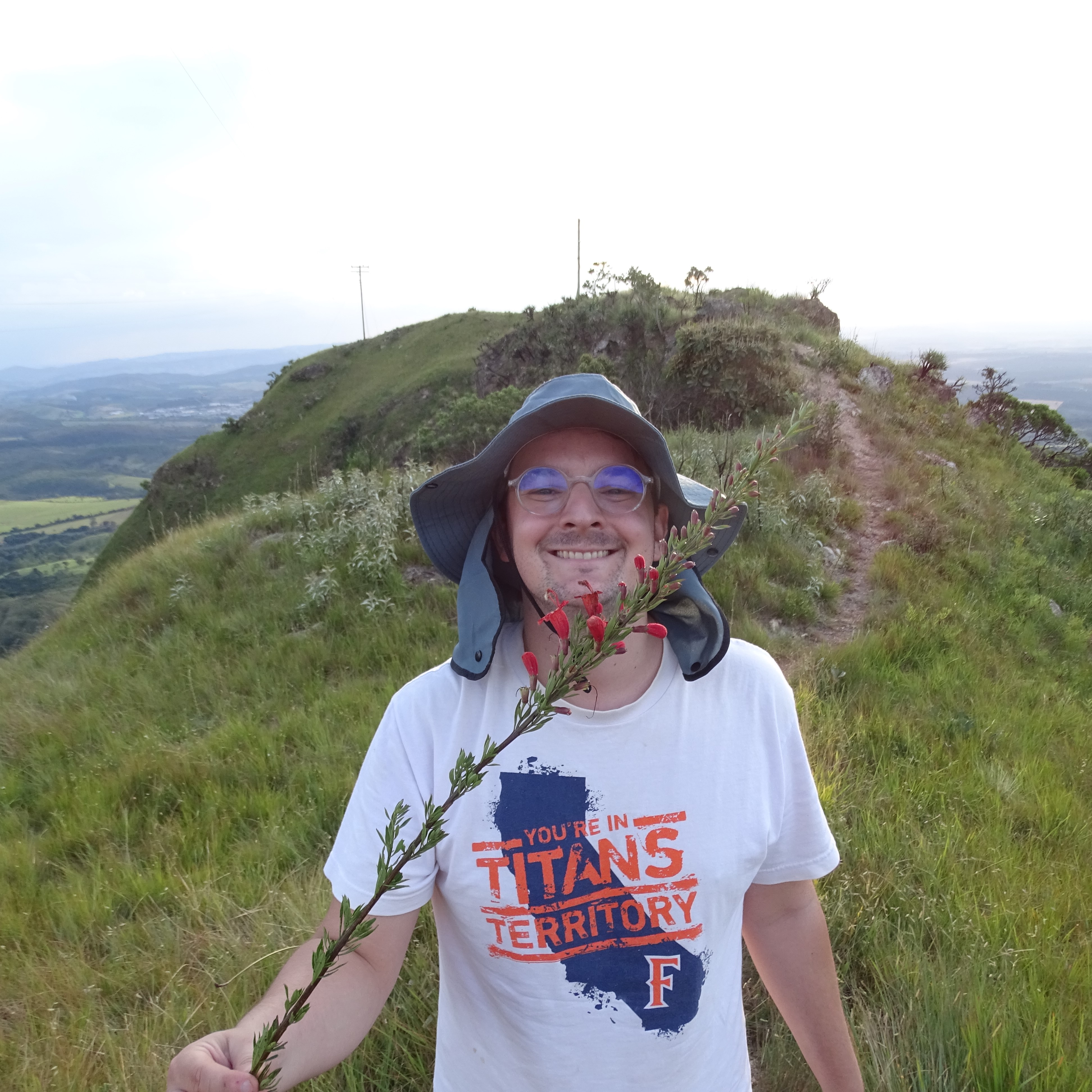



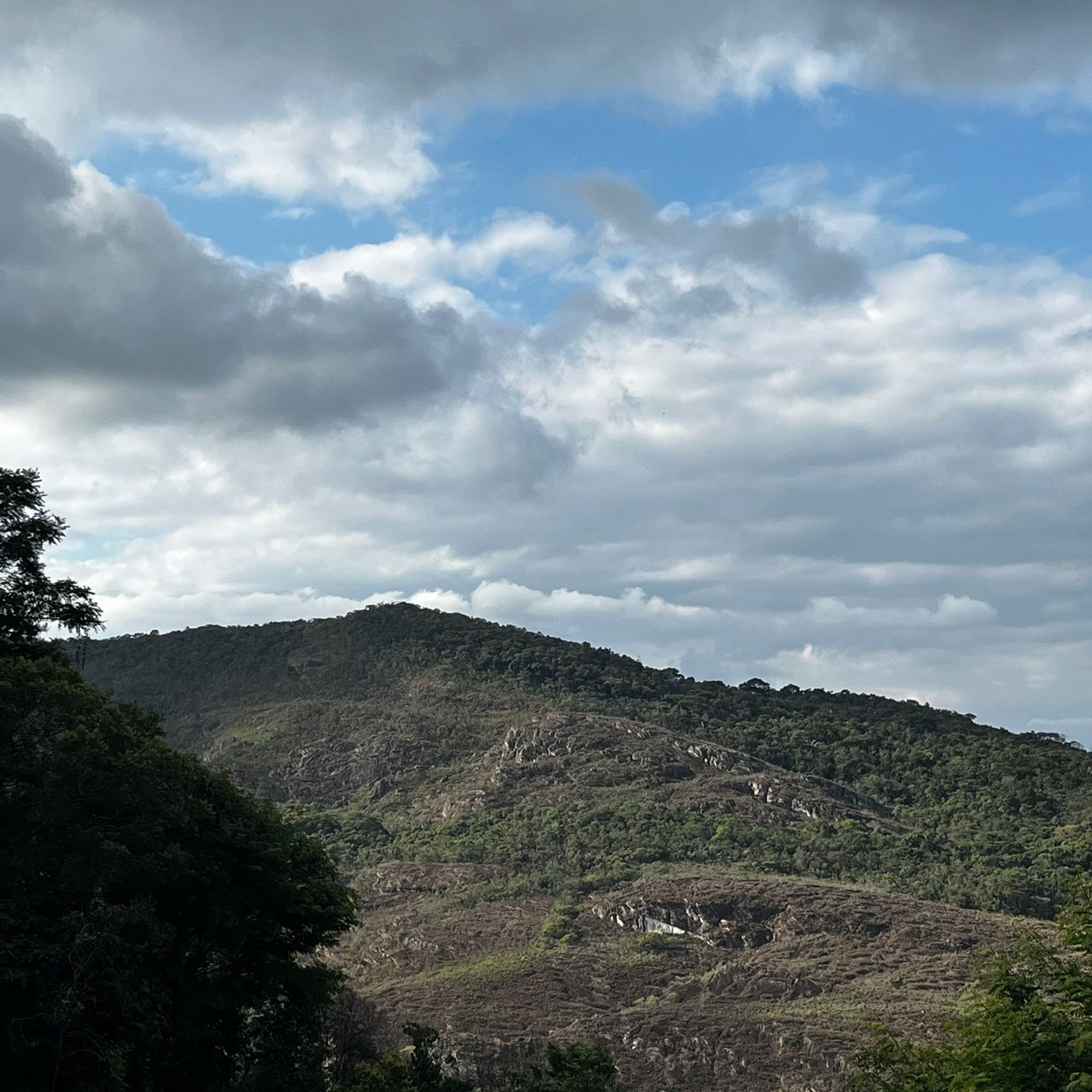
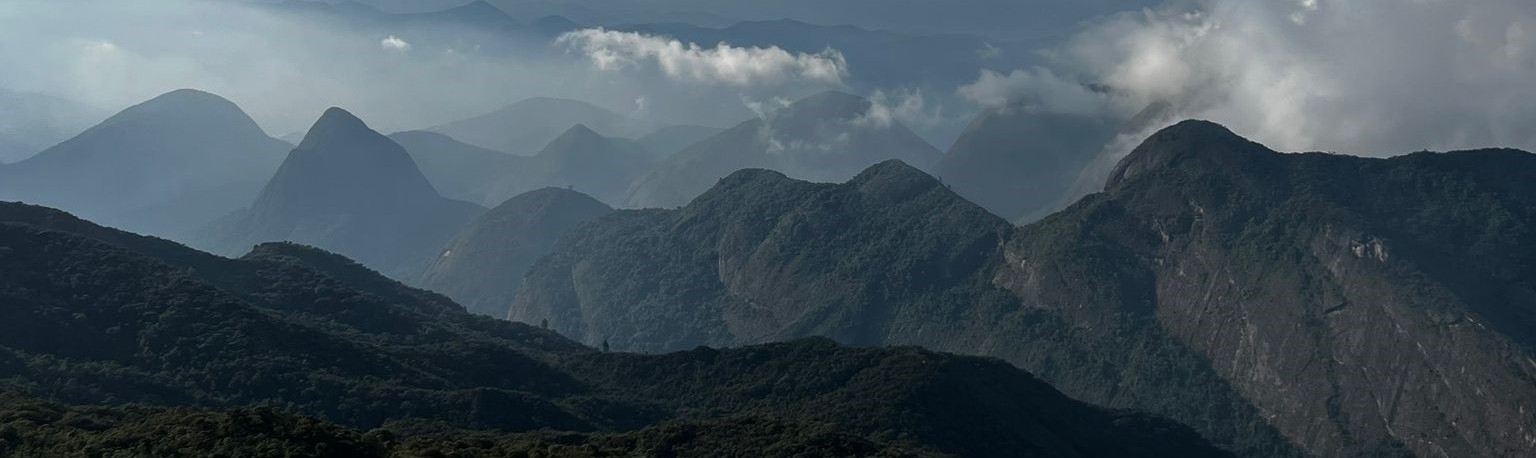
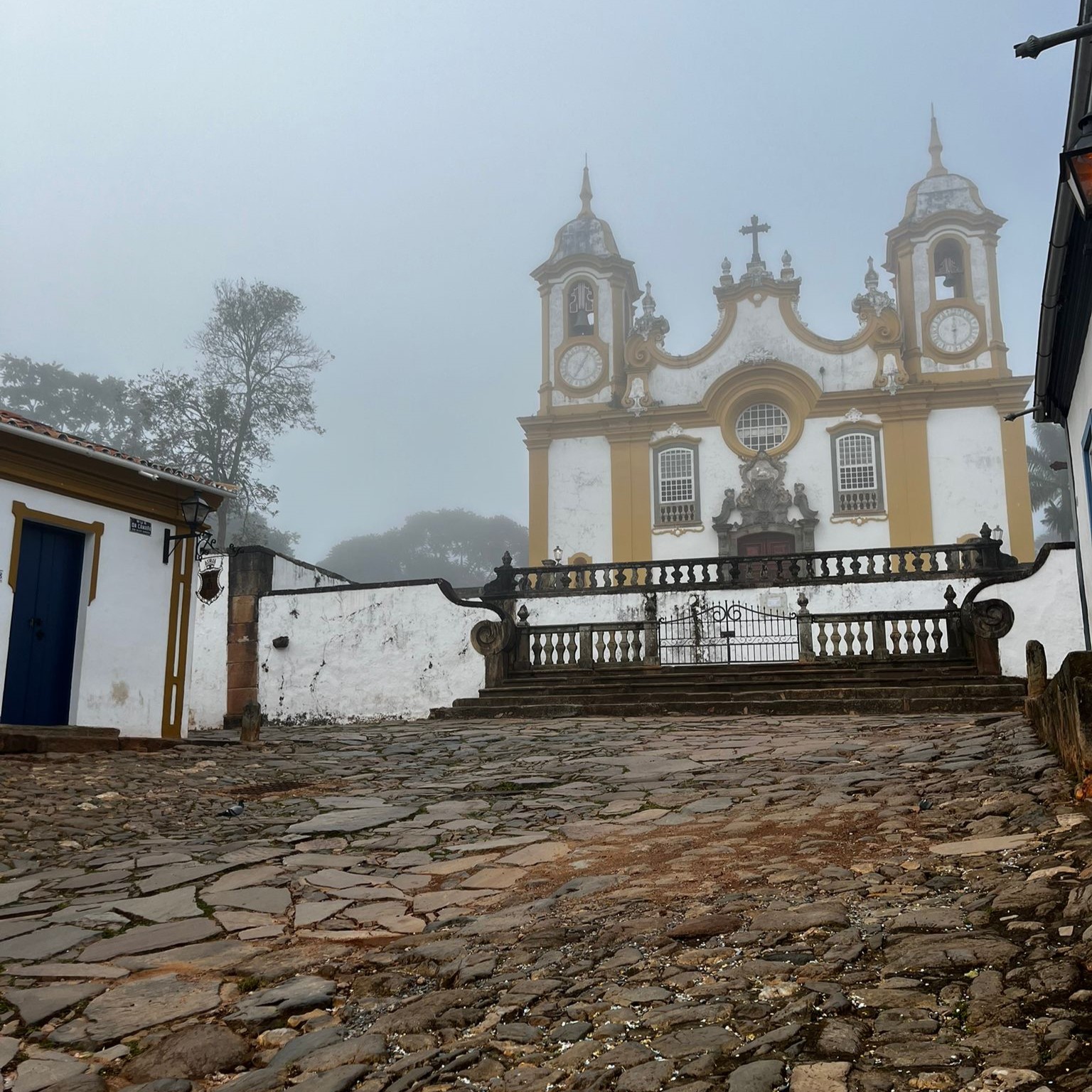
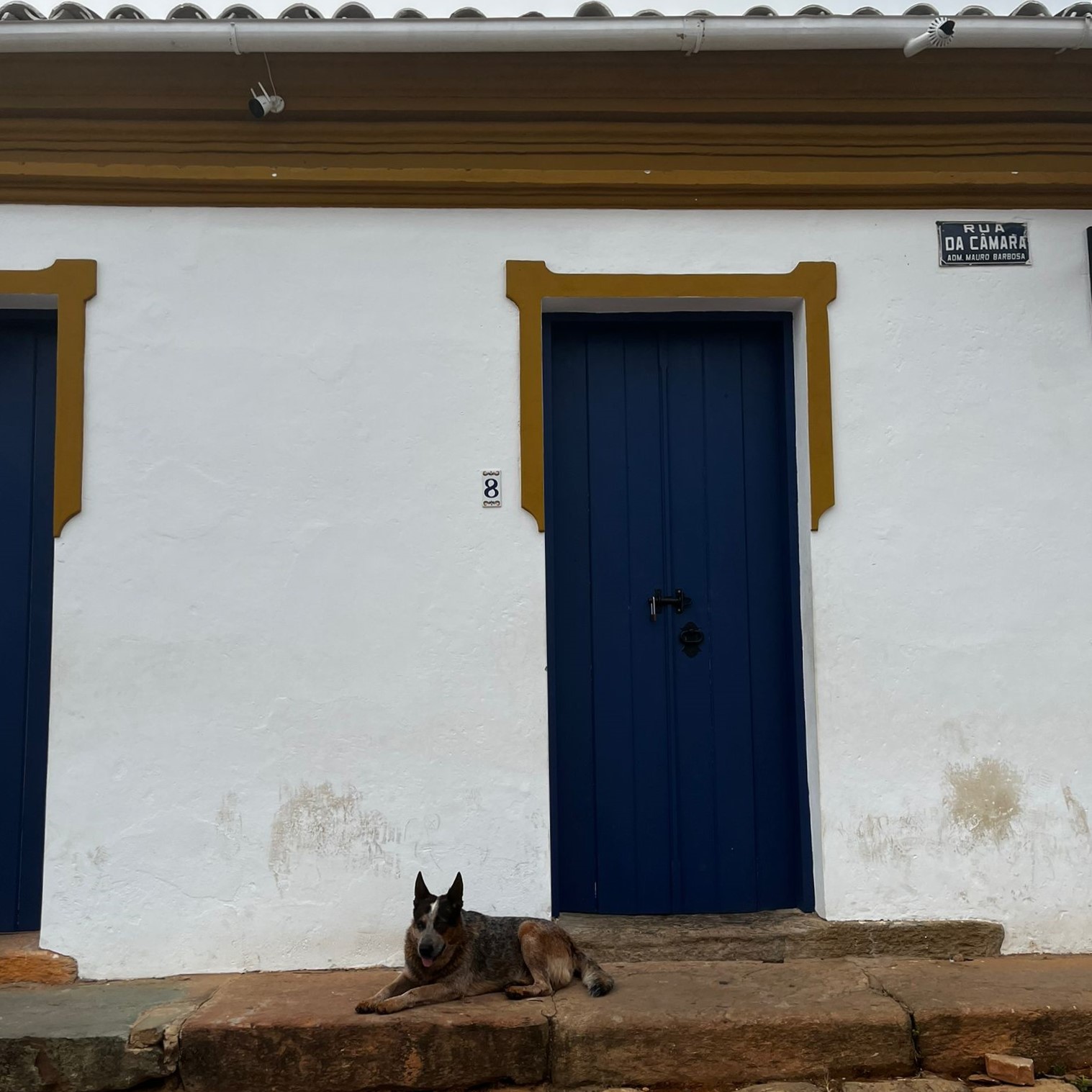
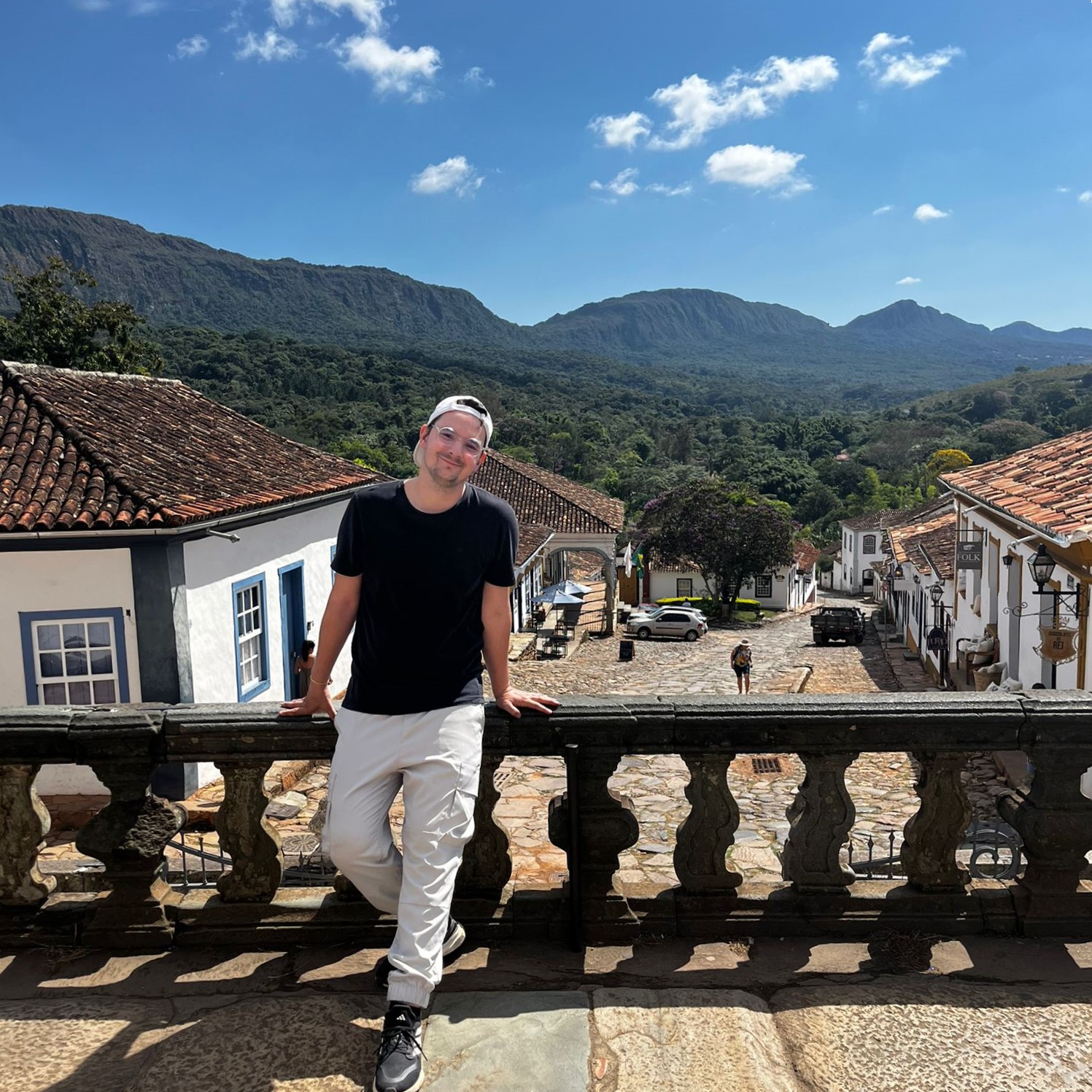
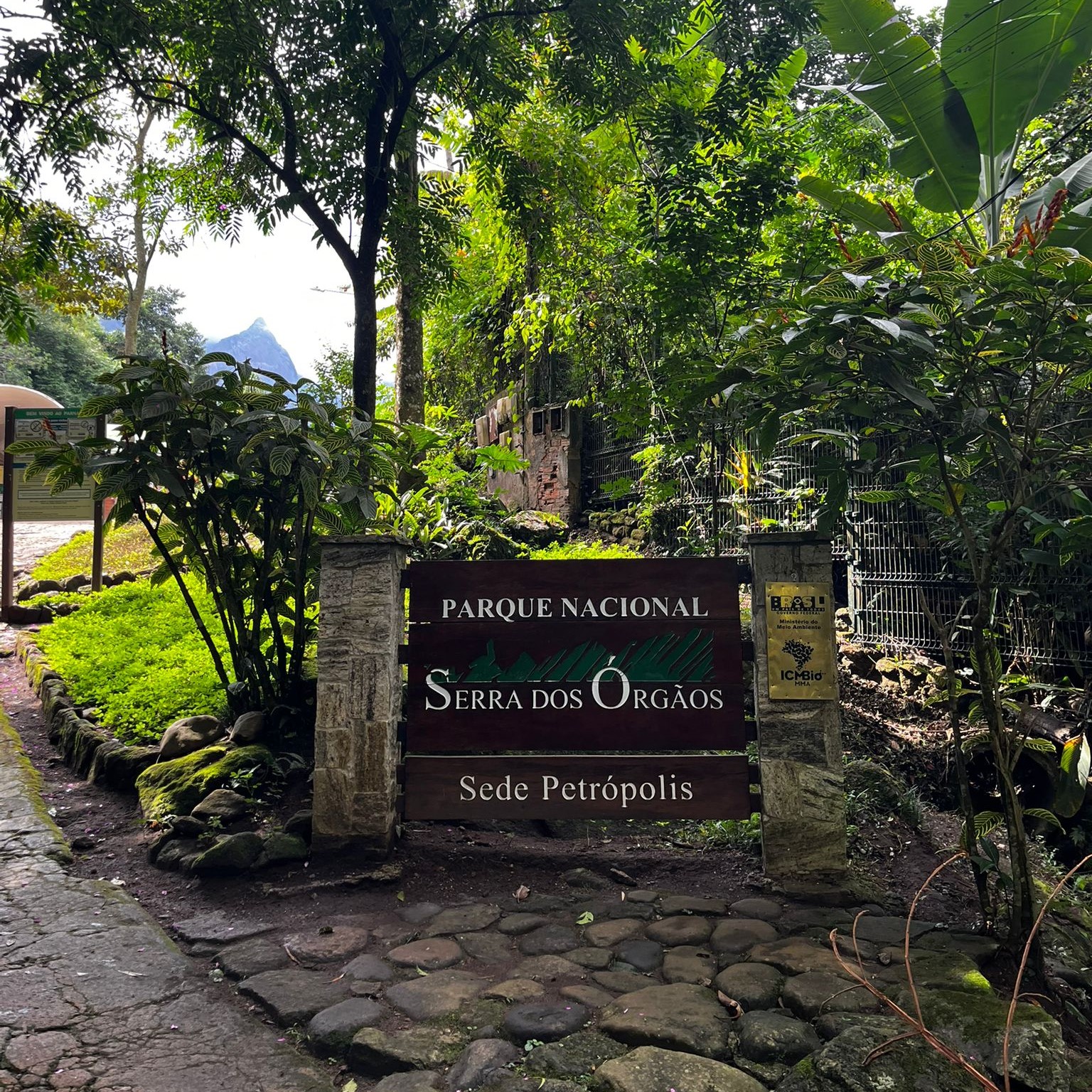
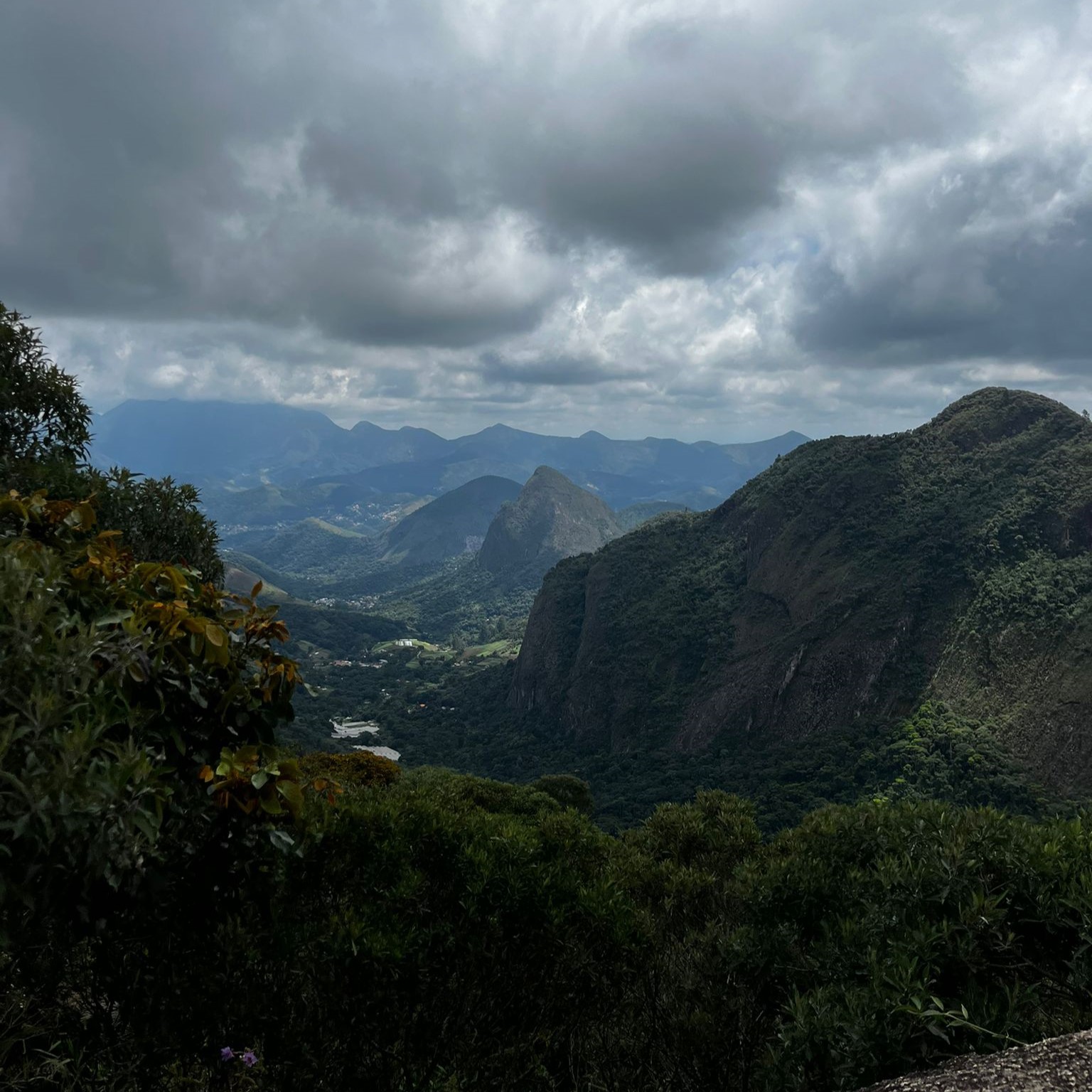
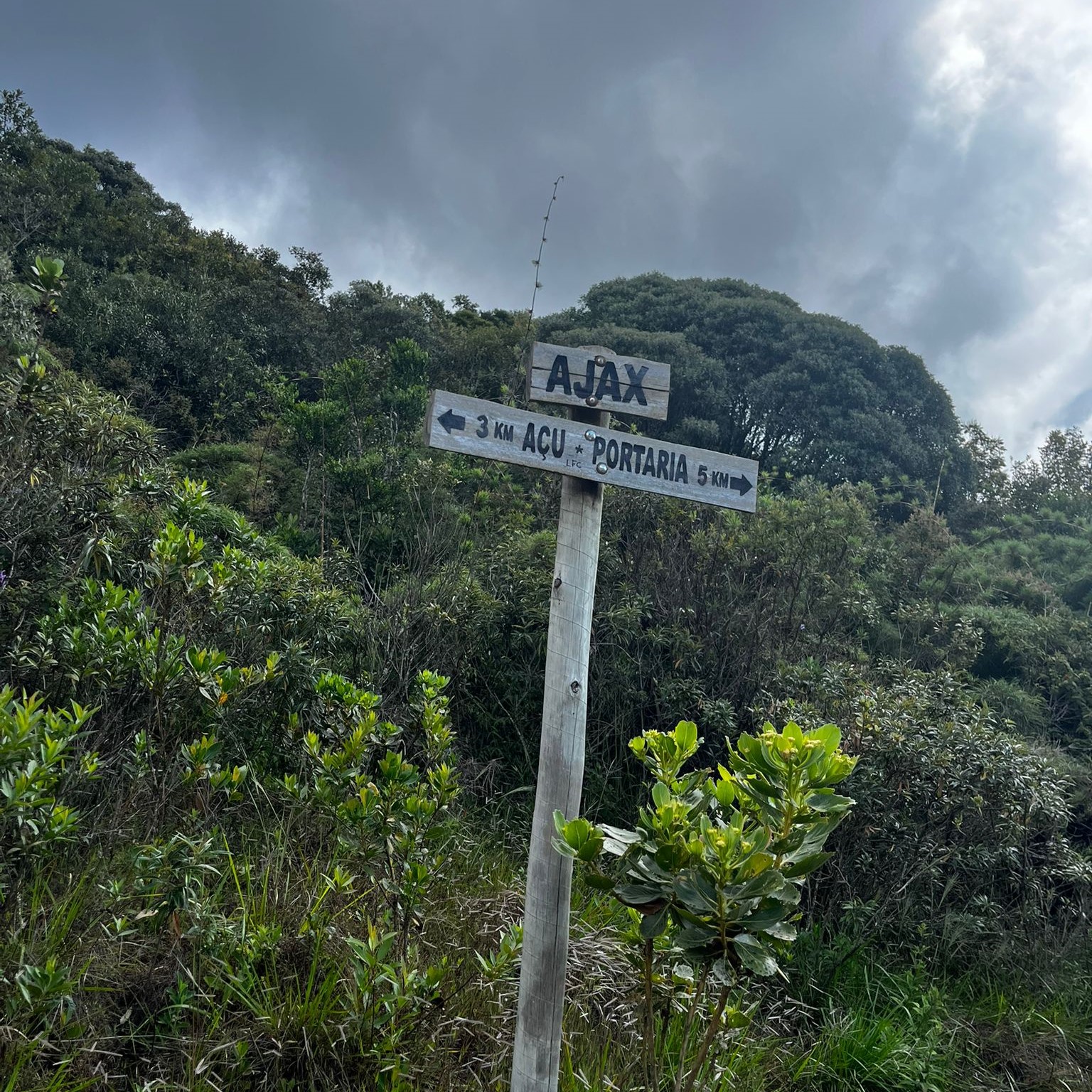
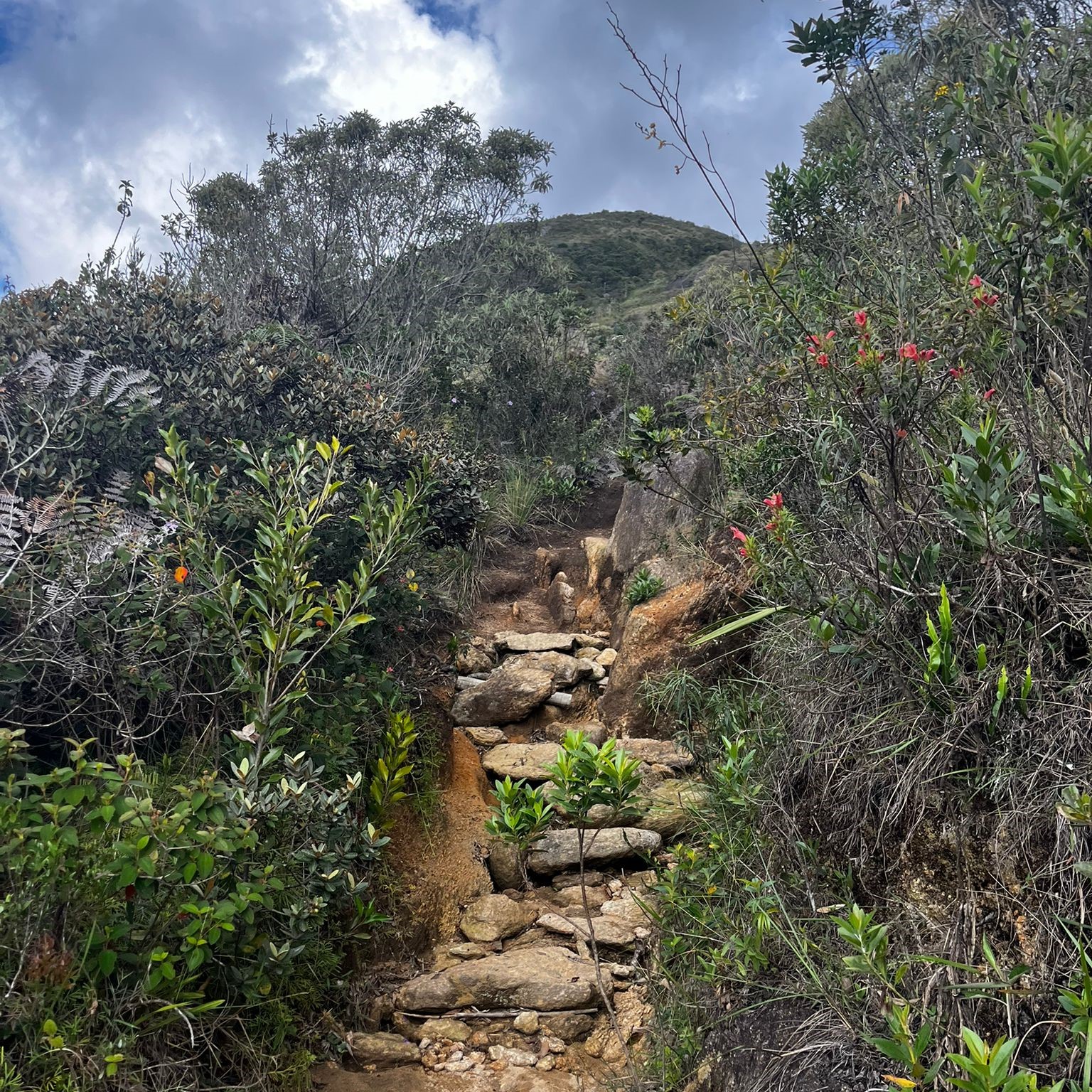
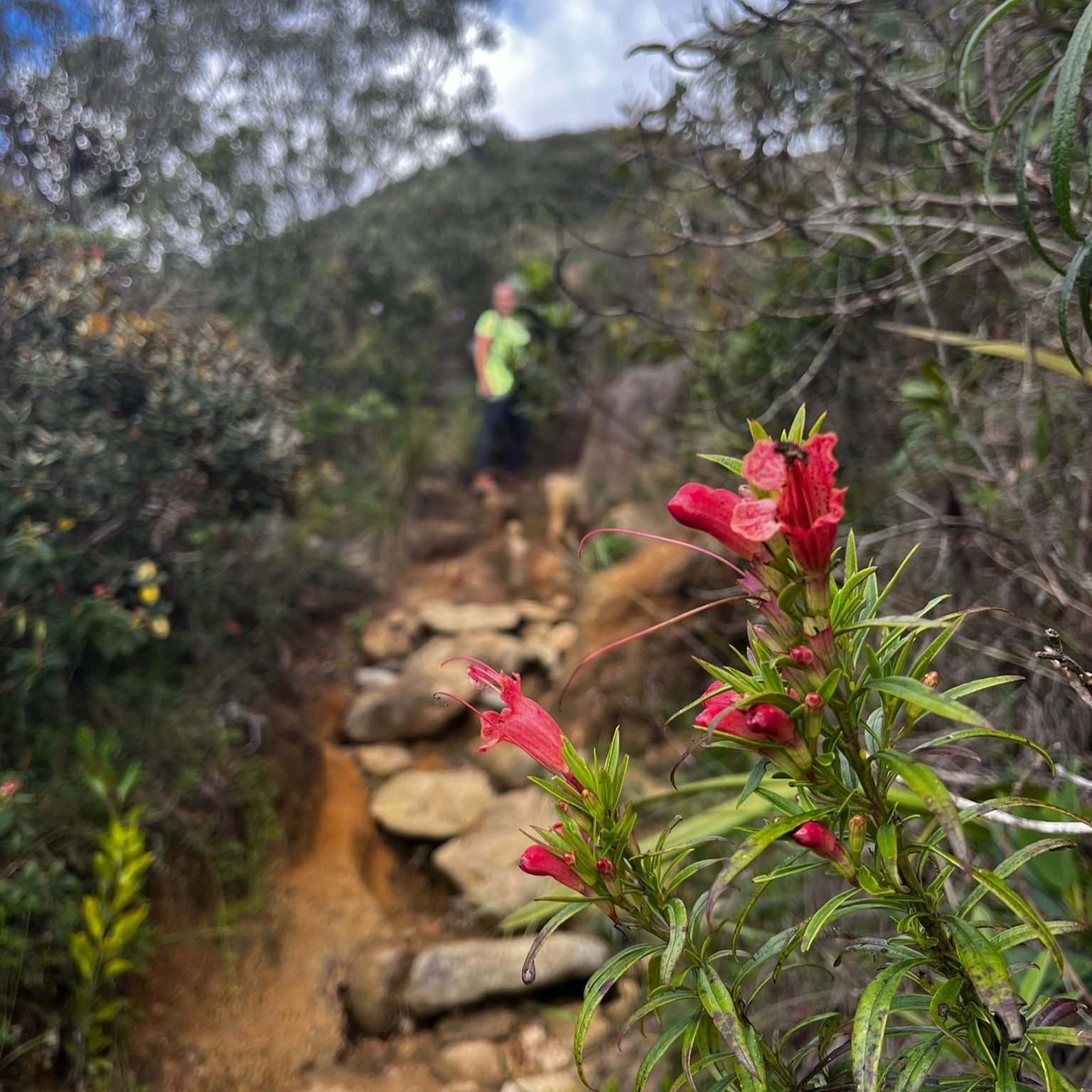
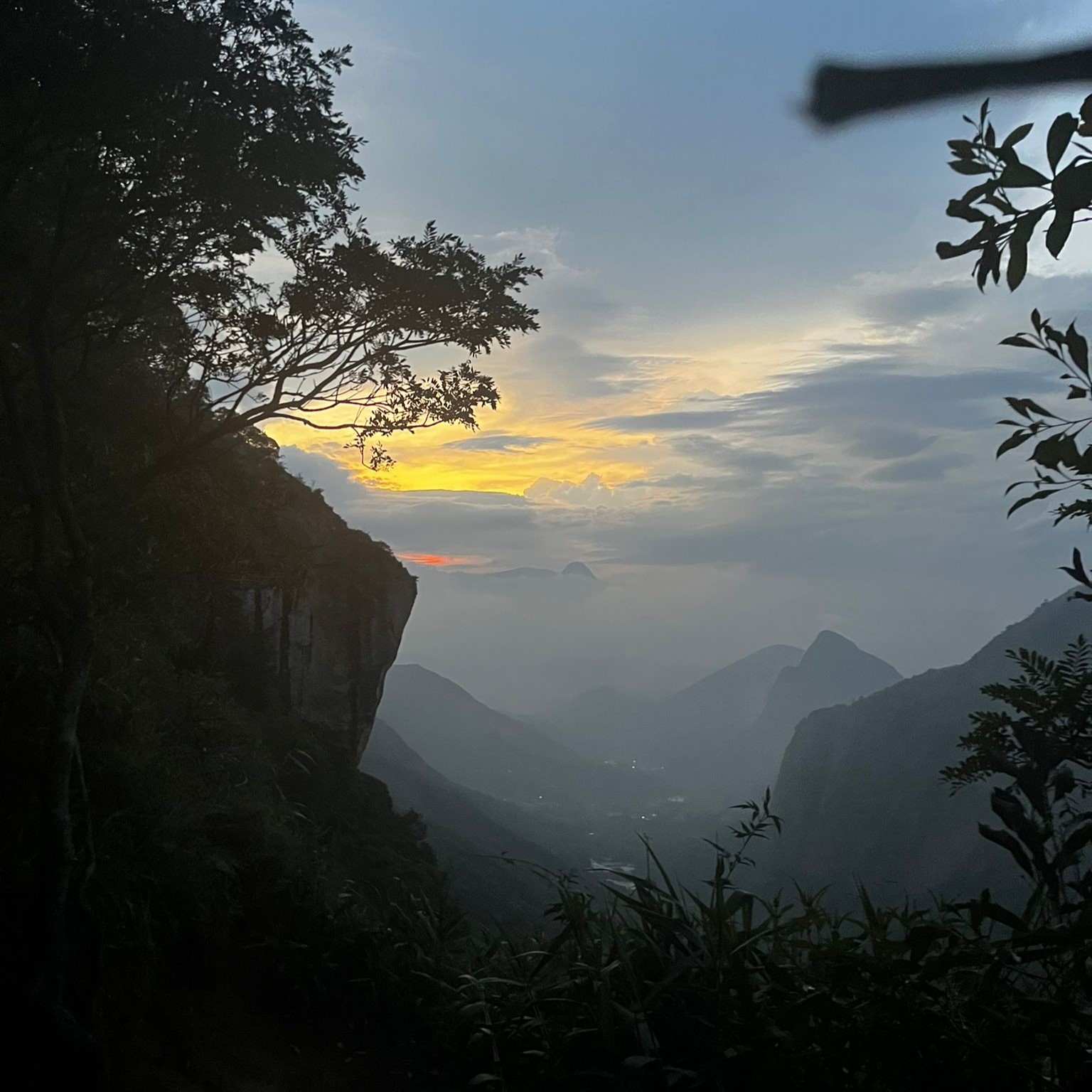
After leaving Serra da Canastra, we drove to Serra dos Órgãos National Park in Rio de Janeiro, but not before stopping in Tiradentes, a charming historic town in Minas Gerais known for its beautiful Portuguese colonial architecture. Once at Serra dos Órgãos, we hiked the hardest and steepest trail of my life searching for the endemic Agalinis ramosissima. We started our hike at 9 am at about 1,100 meters of elevation, but our target species only grows at the top of the mountain, Pedra do Açu, which sits at over 2,200 meters. We reached the summit around 4pm, and the view was absolutely stunning above the clouds! We found A. ramosissima, but soon after, and very quickly, clouds touched the mountain and it was so foggy! We got worried about being stuck up there during a thunderstorm. We began our way down, and after hiking more than 16 kilometers (about 10 miles), we finally got to the bottom of the mountain at around 9 pm. It was an exhausting hike but the ,stunning mountain views and the reward of finding our plant made it all worth it!







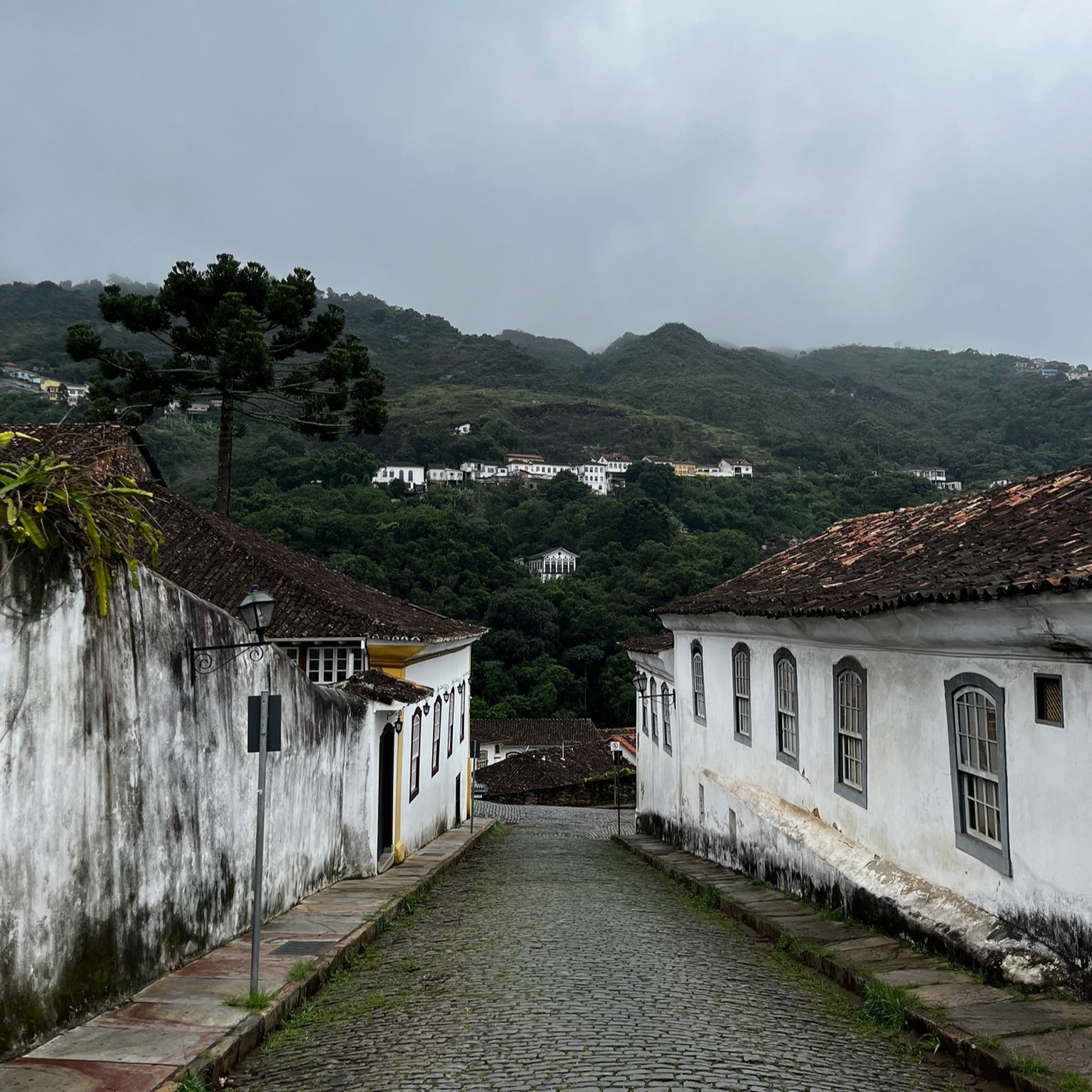
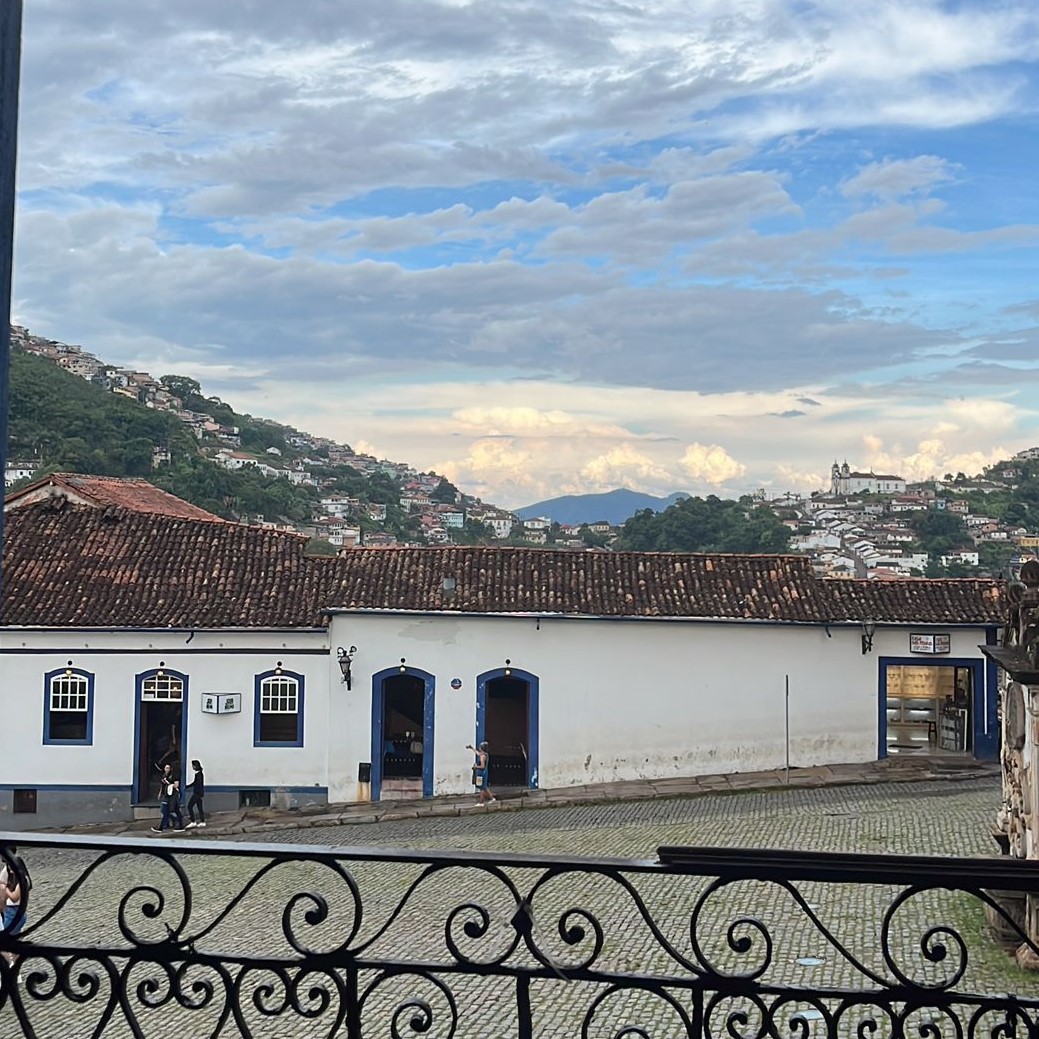
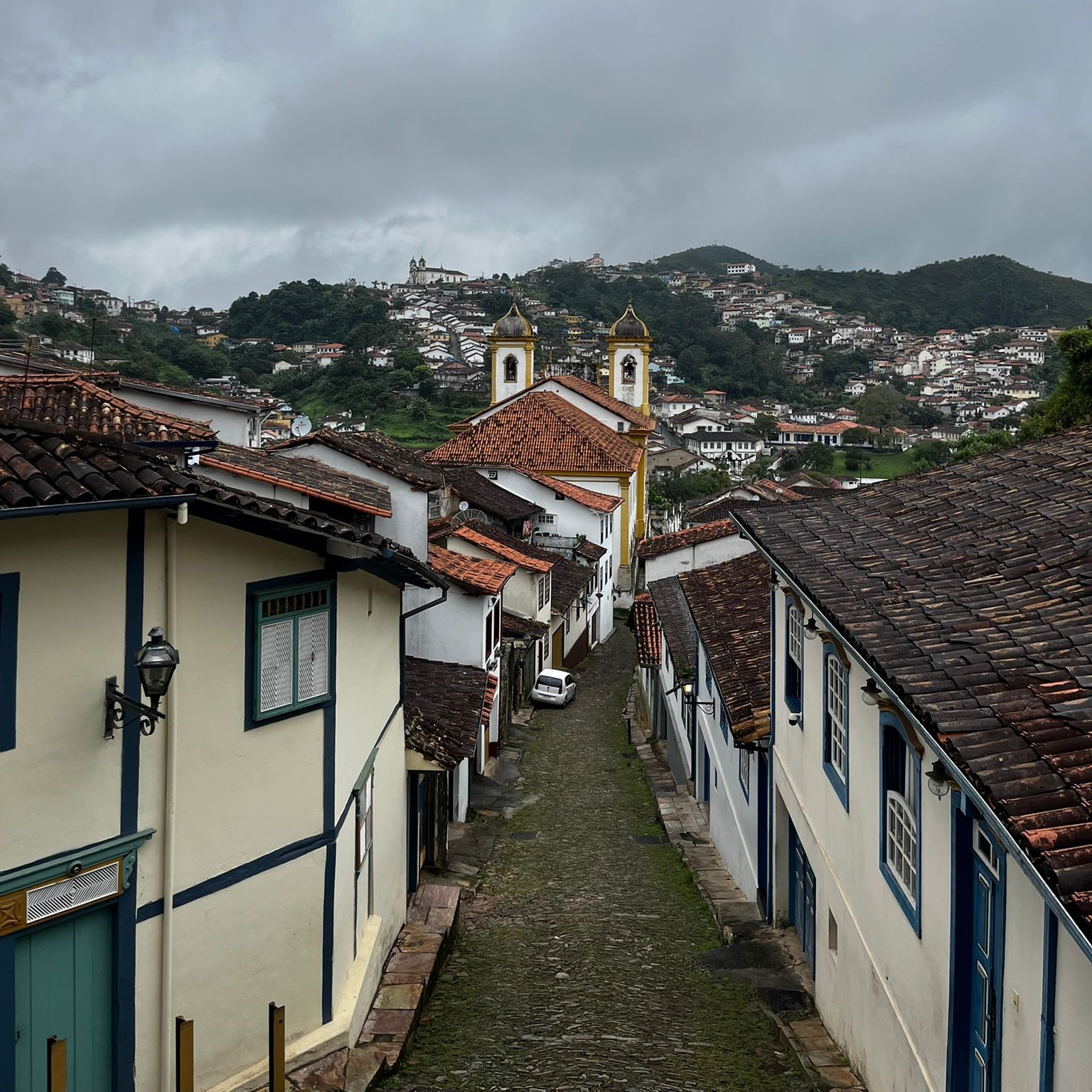
On the final days of Part I, we searched for the most recently described and endemic species of the genus, Agalinis marianae, near the towns of Mariana and Ouro Preto, Minas Gerais. Unfortunately, all known populations of this species are located on land owned by mining companies, and we were unable to access them or find any new populations nearby ☹️. Thankfully, we have collaborators at the herbarium of the Universidade Federal de Minas Gerais (BHCB herbarium), and we were able to sample some specimens there! I’d like to end this post by thanking everyone who helped make this part of the fieldwork such a success—especially Dr. Alice, who drove throughout the entire trip, and all the staff from ICMBio and the Serra da Canastra and Serra dos Órgãos National Parks for their time and support in getting permits and helping organize the logistics!