
Research
Plant Comparative Genomics
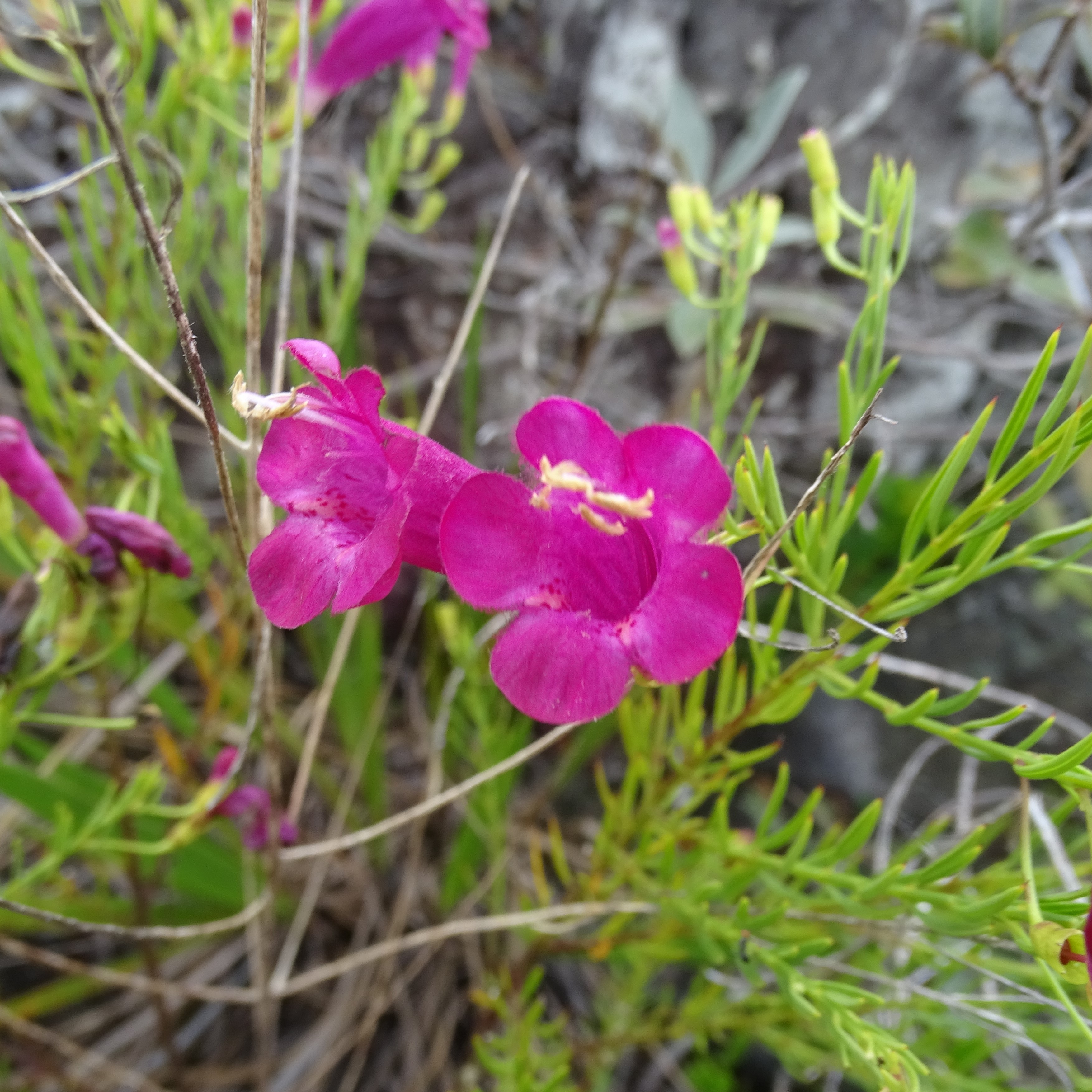
One of my interests during my postdoc at the University of Arkansas with Dr. Maribeth Latvis is using genomic data to understand evolutionary patterns of parasitism within Orobanchaceae, as well as the genomic architecture underlying pollinator shifts in Agalinis (picture on the right: Agalinis angustifolia). To this end, we are generating a reference genome for the genus and multiple whole-genome genomes for other Agalinis species from both North and South America. We are also using genomic and transcriptomic data available for Orobanchaceae species in online databases to answer questions at the family level. We are searching for candidate genes involved in key transitions and assessing changes in selective pressures under a comparative genomics framework.
Plant Systematics, Hybridization, and Diversification
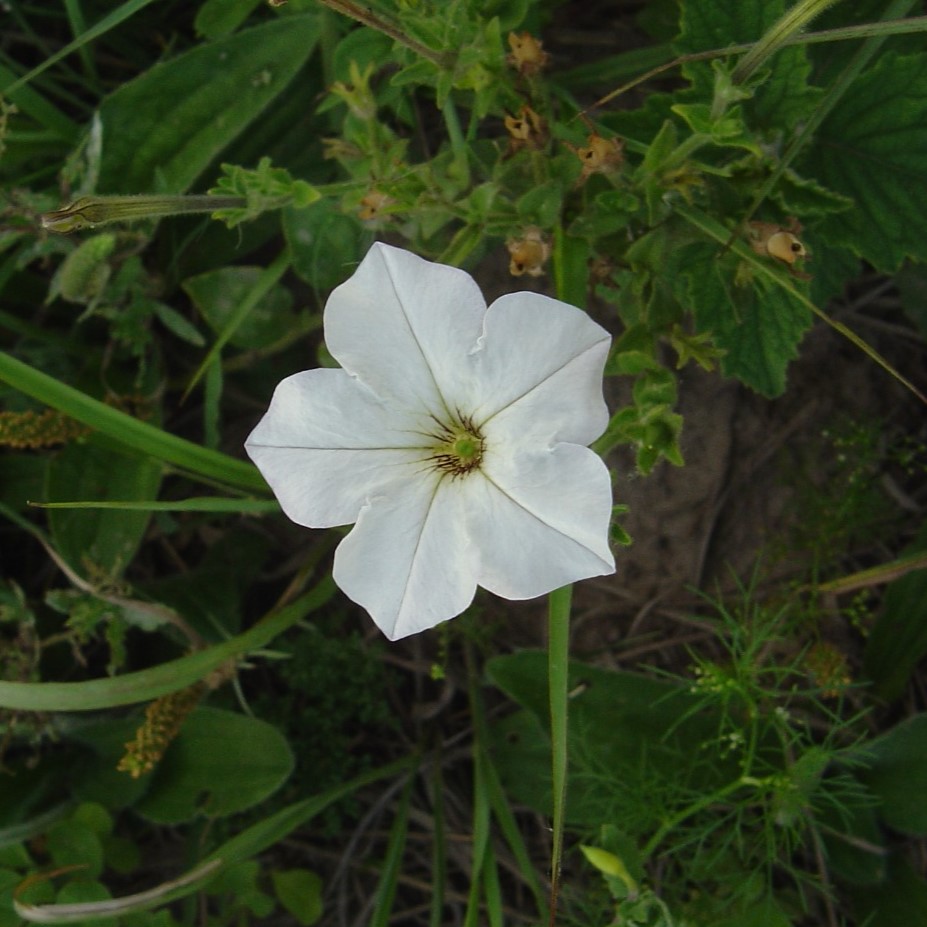
One of my interests is understanding how species are related, species limits, hybridization and introgression, and how different pollination syndromes influence diversification. I am currently working with Agalinis (Orobanchaceae) under the supervision of Dr. Maribeth Latvis. We are interested in the biogeography of the group and also the parallel evolution of the hummingbird pollination syndrome (or multiple reversals back to bee pollination) in South American lineages. We conducted two successful fieldwork expeditions in Brazil in 2025 (part 1/part 2) and 2026 (click to see some nice pics!). During my Ph.D., under the supervision of Dr. Loreta Brandão de Freitas, my research focused on Petunia (picture on the right: Petunia axillaris). In my dissertation, I used genomic, morphological, and geographic data to understand the radiation process of the group, weak reproductive barriers between species, and both past and ongoing hybridization events. I completed part of my Ph.D. research with Dr. Stacey Smith at the University of Colorado Boulder, where I used transcriptomic data to understand the evolutionary history of Petunia and its related genera, Calibrachoa and Fabiana, in light of gene flow among species.